CO4Kids is Colorado's statewide campaign to raise awareness of child abuse and neglect prevention, and the significant need for foster families across the state.
 Learn About Child Abuse & Neglect
 Learn About Foster Care
CO4Kids works to strengthen families to prevent abuse and neglect from happening in the first place, and promotes the Hotline (844-264-5437) to report concerns.
CO4Kids works to increase the understanding of foster care and adoption, so that when an out-of-home placement is unavoidable, a child has a safe place to thrive.

Child Abuse and Neglect in Colorado
118,000 Referrals
related to child abuse and neglect received by the Hotline in 2024.
31,000 Referrals
were screened for further assessment in 2024 as they met the legal criteria for abuse or neglect.
In more than 95% of Child Welfare Assessments
for abuse or neglect, children and youth stay with their families.
1 million Calls
to the Hotline reporting child-safety concerns since its launch in 2015.
Can You Spot the Signs of Child Abuse and Neglect?
When you know how to spot child abuse and neglect, you protect children and youth and prevent future harm.
Child abuse happens when a parent, caregiver or guardian harms a child or youth through their actions — or by failing to act. This harm can be physical, emotional or sexual.
Common signs of abuse include:
1
A child or youth has unexplained injuries, such as skin bruising, bleeding, burns, fractures and soft tissue swelling.
2
Explore the Signs of Child Abuse A child or youth is verbally attacked, constantly denigrated, threatened, or bullied by a parent or caregiver.
Child neglect is the intentional failure by a parent, legal guardian or custodian to provide basic needs for a child or youth — including education, shelter, medical care and/or food.
Common signs of neglect include:
1
A child or youth is exposed to rotting food, human or animal feces, insect infestation, or a lack of running or clean water.
2
Explore the Signs of Child Neglect A child is not enrolled in school or is not receiving appropriate homeschooling.

Concerned a Child is Experiencing Abuse or Neglect?
The 24-hour statewide Hotline is a safe and confidential place to report any concerns of child abuse and/or neglect.
Call the Hotline 844-CO-4-Kids

You Can Prevent
Child Abuse and Neglect





Foster Care in Colorado
In Colorado, an average of 8 children or youth

enter foster care every day.
Currently, there are around 3,400 children and youth
in foster care across the state.
The average age of a child in foster care is 8 years old

Each year, an average of 7,000 children and youth

need foster care in Colorado.
On average, 127 days

is the length of a placement in foster care.

Why Become a Foster Parent Today?
Through foster care, children and youth in Colorado who are in need receive safe, stable, and temporary homes until they can be reunited with their families. Becoming a foster parent is a deeply rewarding experience — and a significant commitment that requires empathy, resilience, and an understanding of the challenges involved.

There are a million reasons to become a foster parent. Here are just a few:
01
Make a Significant Difference
Being a foster parent makes a significant difference in a child's or youth's life by providing a safe and loving home regardless of the time they may be with you.
02
Provide Valuable Support and Encouragement
As a foster parent, you'll help both children in foster care and their biological parents as they work towards reunification.
03
Help Families Build Healthy Relationships
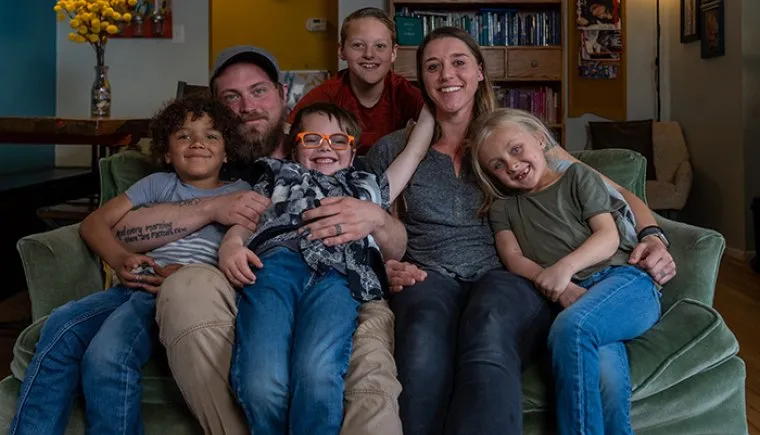
Foster parents are mentors for kids and youth, and biological parents learn valuable parenting insights during this time.

04
Support Keeping Siblings Together
Maintaining familial connections is important for youth and kids as they grow up — through foster care, you can help achieve that goal.

05
Create a Strong Sense of Community
Foster care connects caregivers, professionals, and families in a shared mission of support, healing, and hope.

How to Become a Foster Parent
Almost anyone can be a foster parent in Colorado by following the steps below.

Explore Types of Foster Care
There are several different types of foster care: traditional foster care, kinship foster care, treatment and therapeutic foster care, respite care, and adoption from foster care. Find the one that is right for you.
Traditional Foster Care
Foster care is when adults provide a temporary, stable, caring home for children and youth while their parents focus on challenging circumstances impacting their ability to parent.


Kinship Care
Kinship care allows children and youth who have been removed from their families to live with family or friends they already know and trust. Some kinship providers choose to become certified kinship foster homes.
Treatment & Therapeutic Foster Care
Therapeutic and treatment foster care provides a higher level of support for children and youth with complex needs in a family-like setting, and requires specialized training for foster parents.

Respite Care
Respite care providers offer breaks for foster families — giving them time to rest and recharge while ensuring children and youth continue to receive safe, nurturing care.
Adoption
The primary goal of foster care is to keep children with their birth families. When that is not possible, we seek adoptive families — especially for sibling groups and teens.