Know the Types and Signs of Child Neglect So You Can Recognize Them
Physical NeglectMedical NeglectEducational Neglect
Understanding the
Signs and Types of
Child Neglect
in Colorado
Child neglect is the failure or inability by a parent, legal guardian or custodian to provide basic needs for a child or youth. There are several types of child neglect, which can include things like not providing access to education, a place to live, medical care, food, or protection.
If you suspect a child
is experiencing
abuse or neglect,
call the Colorado
Child Abuse and
Neglect Hotline now.
What is NOT Neglect?
Many aspects of a family’s background or situation can influence how a family works, such as their income, race, culture, religion, structure or how the child is developing. However, these differences do not mean the family won’t provide a safe, stable and loving home for their child or youth.
What is Physical Neglect?
Physical neglect happens when a parent, legal guardian or custodian does not provide for a child’s or youth’s basic needs or fails to protect them from danger. Basic needs include things like nutrition, clothing, shelter, hygiene and medical care.
Of all the types of child neglect, physical neglect is the most common and easiest to spot. Here are some examples of common scenarios and signs of physical child neglect:
What is Medical Neglect?
Medical neglect happens when a parent, legal guardian or custodian does not provide or follow a treatment plan for a child’s or youth’s medical condition or does not seek appropriate treatment from a physician if needed. If the medical condition is not treated, it could put the minor’s well-being at risk.
Here are some common examples and signs of medical neglect in children:
What is Educational Neglect?
Educational neglect happens when a parent, legal guardian or custodian
does not provide the child or youth with appropriate schooling.
Signs of Neglect in Children or Youth
- The caregiver has a significant substance use or
mental health concern that affects their ability to
safely parent - Exposure to domestic violence occurring in the home
- Has medical, dental or behavioral problems that have
not been addressed - Is home alone frequently for long periods of time
- Has poor hygiene, smells of urine or feces
- Is frequently absent from school
- Often wears dirty clothes, even when help is offered
to the parents or caregivers by the community - Is younger than 12 years old and frequently reports
caring for younger siblings

Signs a Parent or Caregiver May Be Neglectful
- Appears to be indifferent to the child or youth
- Consistently behaves irrationally or in a bizarre
manner - Abuses alcohol or drugs
- Denies the existence of, or blames the child, for the
child’s problems in school or at home - Seems apathetic or depressed
- Sees the child or youth as entirely bad, worthless or
burdensome - Leaves the child or youth alone for long periods of time
without a proper plan
Test Your Knowledge of Child Neglect
Scenario #1
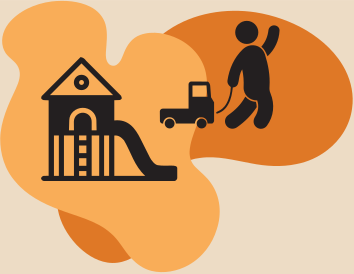
A five-year-old child is being left alone during the day while their parents work. For several days, the neighbors have seen the child coming in and out of the apartment to play outside alone. Some of the neighbors have rang the bell in attempt to contact a parent, but nobody answers.
Scenario #1
Yes. Leaving a five-year-old alone for long periods without a proper plan is a form of physical child neglect — the child is not being supervised or protected from danger.

Scenario #2
When Maria went to visit her granddaughter, Paula, she saw that Paula’s wheelchair was not rolling properly. She asked her adult son, Paula’s father, if she could help pay for a new wheelchair. He happily said yes. Later that month, Maria went to visit them again, and she found out that her son had spent the money she gave him on alcohol.
Scenario #2
This is a sign of medical neglect and may warrant a call to the Colorado Child Abuse and Neglect Hotline.

Scenario #3
Olivia has attended school intoxicated. She told her friends that her mom buys alcohol for her and her siblings so they can have fun. Olivia is 15 years old and her siblings are 16 and 17.
Scenario #3
This could be a sign of physical neglect, and the purchase of alcohol for minors is illegal under Colorado law.